A pre-sale survey and a buyer survey are not the same thing.
They happen at different stages and serve different purposes.
A buyer survey is usually arranged by the buyer after an offer has been accepted. It helps the buyer understand the property’s condition, defects, risks and areas where further advice may be needed.
A pre-sale survey or condition assessment happens earlier, before or during marketing, and is usually initiated by the seller. Its purpose is to understand condition earlier, prepare for buyer questions and reduce the risk of avoidable surprises later in the transaction.
The distinction matters because the buyer and seller have different interests.
For the seller, upfront condition information is about transparency and preparation. For the buyer, their own survey provides independent due diligence before committing to the purchase.
Both are important, but they serve different purposes. The seller’s pre-sale information provides transparency around the condition of the property, while the buyer’s survey allows them to cross the t’s and dot the i’s with their own independent assessment before proceeding.
What Is a Pre-Sale Survey?
A pre-sale survey is arranged by a seller before a buyer’s survey takes place, usually before or around the point the property is marketed.
Traditionally, sellers can enter the market knowing relatively little about how a surveyor might assess their property’s condition. The property is listed, an offer is accepted and only then does the buyer arrange a survey.
If that survey identifies a roof issue, damp concern, cracked wall, defective gutter, ageing boiler, damaged window or historic alteration, the seller can suddenly find themselves responding to questions they had not anticipated.
Understanding condition earlier gives the seller choices.
They may decide to repair something, gather documents, instruct a competent tradesperson or seek specialist advice. Alternatively, they may choose to do nothing immediately but price and present the property with a better understanding of the questions a buyer may eventually ask.
The important difference is that they are prepared rather than reactive.
For more on getting ahead of potential issues before putting your property on the market, see our guide on how to prepare your home for sale.
Pre-Sale Condition Information Is About Transparency
A seller recording property condition upfront is effectively saying:
This is what we understand about the condition of our property at the point we are offering it for sale.
That does not mean the seller is guaranteeing that the property has no defects, nor does it provide independent advice on behalf of the buyer.
It is about transparency.
Condition information is more useful when it is available early enough for people to understand it, ask questions and decide what to do next.
If something warrants further investigation, the seller has an opportunity to obtain evidence or specialist advice before the transaction becomes pressured. If an issue is already understood, the buyer can consider it as part of their decision rather than discovering it unexpectedly several weeks after their offer has been accepted.
What Is a Buyer Survey?
A buyer survey serves a different purpose.
It is normally commissioned by the buyer after an offer has been accepted and provides independent professional advice about the property they are considering purchasing.
Depending on the type and scope of survey, the surveyor may identify visible defects, maintenance issues, risks and areas where further specialist investigation or advice may be appropriate.
The survey belongs to the buyer and the surveyor is acting for them.
That independence remains important even where the seller has already provided condition information.
A seller’s pre-sale information explains what the seller knows and has recorded about the property. The buyer’s survey provides another layer of independent due diligence.
Our guide to the difference between a survey, valuation and condition assessment explains the different roles in more detail.

Why Does Understanding Property Condition Earlier Matter?
Timing is one of the biggest differences.
Under the traditional process, a buyer may view the property, make an offer, instruct a conveyancer, progress their mortgage application and become increasingly committed to the purchase before a detailed conversation about condition begins.
Then the survey arrives.
If unexpected defects are raised, further specialist investigations may be recommended, quotes may be requested and the price may be renegotiated. Both buyer and seller are suddenly dealing with property condition while the transaction is already moving.
Bringing condition information forward gives both sides more time.
For the seller, it means understanding potential issues before marketing or before a buyer’s survey.
For the buyer, it means condition can become part of their decision-making much closer to the point at which they first consider the property.
The buyer can still commission their own professional survey. The difference is that the professional survey doesn’t have to be the first meaningful conversation about property condition.
Where Does Survey Shack Fit?
This is where Survey Shack offers another option.
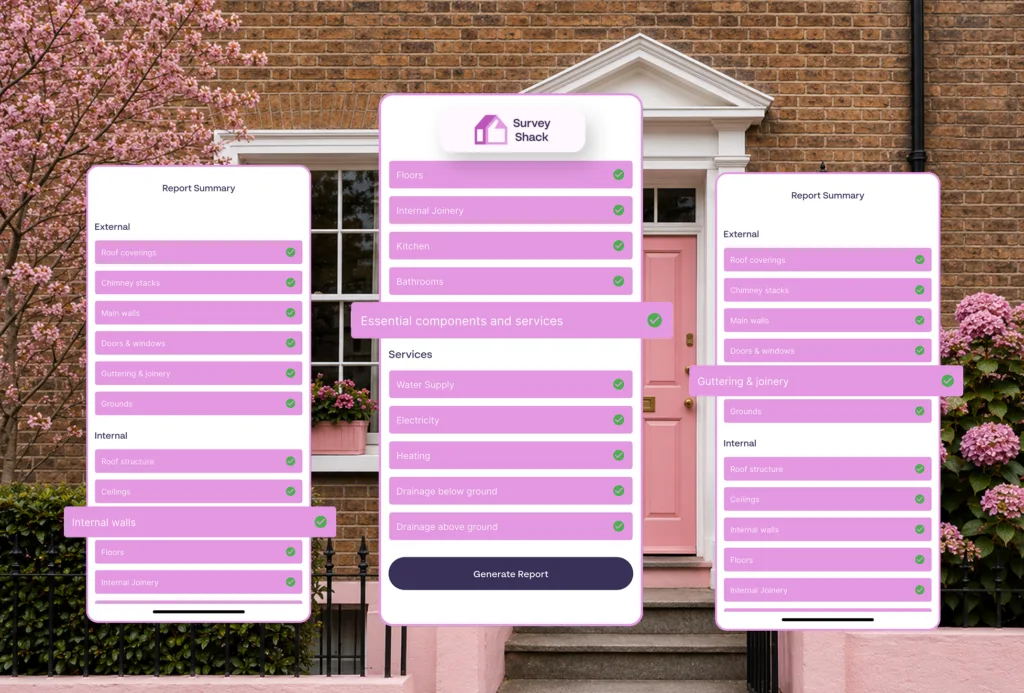
Survey Shack is not the same as a formal professional buyer survey and should not be presented as one. Instead, it provides buyers and sellers with a guided, affordable way to understand and record visible property condition earlier.
For sellers, Survey Shack can be used before or during marketing to create a structured record of visible condition. This provides an affordable way to bring greater property condition transparency into the sale before a buyer’s survey takes place.
For buyers, the advantage is also timing.
Some buyers will still choose to commission a professional survey, particularly where the property, visible condition or level of risk justifies it. Using Survey Shack earlier can help them understand the property and identify questions before that professional survey takes place.
Other buyers may decide they do not want to invest in a professional survey. Survey Shack gives them a structured way to assess visible condition themselves, with guidance on what to look for and optional professional surveyor support when needed.
Most importantly, they can do this much earlier in the buying process rather than waiting until after an offer has been accepted and the traditional survey stage begins.
The Difference Is Timing and Purpose
A pre-sale survey or condition assessment helps the seller understand their property earlier, prepare for likely questions and provide greater transparency around condition.
A buyer survey provides the buyer with independent professional advice as part of their own due diligence.
Both are important, but they do different jobs.
Survey Shack helps bring condition information forward — giving sellers an affordable way to record visible condition upfront and buyers a guided way to start understanding condition much earlier themselves.
Property condition is more useful when it helps people make decisions early, rather than only appearing once the transaction is already under pressure.